Source Green Oval Acrylic Pendant Necklace for Daily Use, Decoration, and Religious Wear
Compare 30 listings for the green oval acrylic pendant necklace from verified suppliers. Buyers can evaluate customization options, materials like titanium and stainless steel, and packaging details for multi-purpose daily use and decoration.
Key considerations
Products List


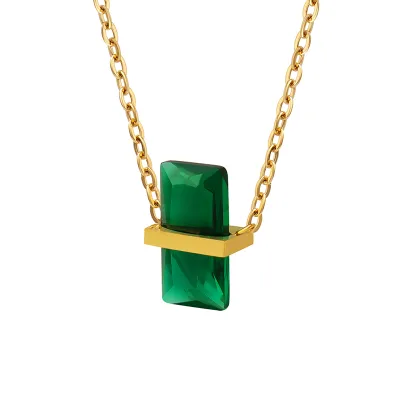


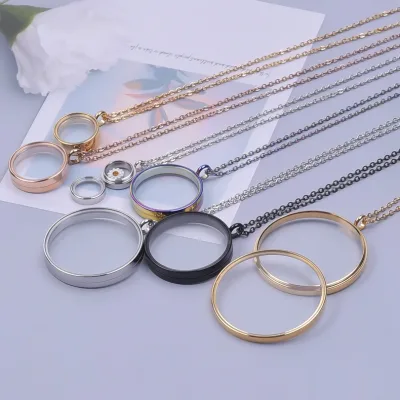


Comprehensive Sourcing Guide
Strategic Sourcing Guide for Green Oval Acrylic Pendant Necklaces
Understanding Product Attributes and Material Variability
When initiating a procurement strategy for green oval acrylic pendant necklaces, the buyer must first navigate the inherent diversity of the product category. The core keyword suggests a specific aesthetic and material composition, yet the available market data reveals a complex landscape where "acrylic" often coexists with or is substituted by alternative materials such as titanium, stainless steel, and melt glass. In the observed product listings, specific attributes indicate that the material composition is not uniform across all suppliers. For instance, while some entries explicitly list "Titanium" or "Stainless Steel" as the primary material, others reference "Melt Glass" or generic "Color" without specifying the polymer base.
The term "acrylic" in this context typically refers to a transparent or semi-transparent polymer that can be molded into various shapes, including the requested oval form. However, buyers must verify if the "green" coloration is achieved through dyeing the acrylic during manufacturing or through a surface plating process. The supplied facts mention "Plating: Gold" and "Plating: Silver" for various items, suggesting that color and finish are distinct variables. A green acrylic pendant might be a solid green polymer, or it could be a clear acrylic piece with a green backing or coating. Furthermore, the attribute "Glass Type: Melt Glass" appears in the data, which is a critical distinction. Acrylic and glass are fundamentally different materials with different weight, durability, and thermal properties. A procurement specialist must explicitly confirm that the supplier is delivering acrylic and not a glass alternative, as the weight specifications in the data range from 63.5g to 185g, which may indicate the inclusion of heavier metals or glass components rather than lightweight acrylic.
The "Oval" shape is a standard geometric form, but the "Pendant Shape" attributes in the data also list "Round," "Cross," and "Star." This indicates that suppliers often use a single mold or production line for multiple shapes. Therefore, the "Oval" designation must be a specific filter applied during the sourcing process. The "Color" attribute is listed as a generic variable, meaning the specific shade of green (e.g., emerald, lime, forest) is not standardized and must be defined in the purchase order. The "Style" is noted as "Fashion" or "Simple," which influences the design complexity and the potential for customization.
Technical Specifications and Customization Parameters
Technical specifications for green oval acrylic pendant necklaces extend beyond simple dimensions to include weight, packing, and customization capabilities. The observed data provides specific model numbers such as CJTP131, CJTP128, CJTP076, TN0776, TN0984, TN0857, and AMW-AN003. These identifiers are crucial for tracking inventory and ensuring that the buyer receives the exact product variant. However, the "prod_standard" field varies significantly, listing values like "105g," "185g," "63.5g," and even model-specific codes like "TN0776" or "1mm." This inconsistency suggests that "standard" in this context may refer to weight, thickness, or a specific internal SKU rather than a universal industry standard.
A critical technical consideration is the "Does It Contain a Rope" attribute, which appears as "Including Rope" or "Bring a Rope" in the data. For a complete necklace product, the inclusion of the chain or cord is mandatory. If the listing specifies "Bring a Rope," it may imply that the pendant is sold as a loose component, requiring the buyer to source the chain separately. This distinction significantly impacts the total cost of ownership and the logistics of assembly. The "prod_packing" attribute varies between "Boxs," "PP Bag," and "OPP Bag." The choice of packaging affects the product's presentation and protection during transit. Acrylic is prone to scratching, so rigid "Boxs" packaging is generally superior to flexible "PP Bag" or "OPP Bag" options for high-end retail, though the latter may be preferred for bulk wholesale to reduce shipping volume.
Customization is a high-confidence attribute in this market, with "Can Be Customized" and "Customization: Available" explicitly noted. The "Logo" attribute confirms that "Customized Logo" services are available, allowing buyers to brand the pendants with their own designs. The "Suitable for" attribute lists "Female, Male, Children, Elderly," indicating that the product is versatile but may require size adjustments for different demographics. The "Usage" is listed as "Decoration" or "Religious," which dictates the design language; religious pendants often require specific shapes like crosses, whereas fashion pendants may favor abstract ovals. Buyers must verify if the customization extends to the material itself (e.g., changing from acrylic to metal) or is limited to color and logo application.
Compliance, Certification, and Safety Standards
Navigating the compliance landscape is essential for importing green oval acrylic pendant necklaces, particularly given the diverse material claims observed in the market. The supplied data includes a "Certification: RoHS" entry. RoHS (Restriction of Hazardous Substances) is a critical directive for products sold in the European Union and other markets, limiting the use of specific hazardous materials in electrical and electronic equipment, but it is also increasingly applied to jewelry and accessories to ensure they are free from lead, cadmium, and other toxins. While the data confirms RoHS certification exists for some products, it does not guarantee that every green oval acrylic pendant meets this standard. Buyers must request specific test reports for the acrylic material to ensure it does not contain harmful plasticizers or heavy metals in the pigments used for the green color.
The "prod_standard" values of "105g," "185g," and "63.5g" do not represent safety standards but rather weight specifications. However, weight can be an indicator of material density and potential safety issues. For example, a pendant weighing 185g is significantly heavier than one at 63.5g. If the product is marketed as lightweight acrylic, a weight closer to 63.5g is expected. A weight of 185g might suggest the inclusion of a metal core or a glass component, which could alter the safety profile, particularly regarding breakage risks for children. The "Nursing Instructions: Hand Wash Only" attribute provides a clue about the material's durability. Acrylic is generally durable but can be damaged by harsh chemicals or high heat. This instruction implies that the product should not be submerged in hot water or cleaned with abrasive agents, which is a key operational constraint for the end-user.
Furthermore, the "Place of Origin" is listed as "Fujian" and "Guangdong, China." These regions are major manufacturing hubs, but they also vary in regulatory enforcement. Buyers should verify that the supplier adheres to the specific safety standards of their target market, such as CPSIA in the United States for children's jewelry, which restricts lead and phthalate content. The "Suitable for: Children" attribute in the data makes compliance with children's safety regulations non-negotiable. If a product is marketed for children, it must pass rigorous testing for small parts, choking hazards, and chemical composition. The "Feature: High Quality" claim is subjective and should be backed by objective test data rather than marketing assertions.
Cost Drivers and Pricing Dynamics
The pricing structure for green oval acrylic pendant necklaces is influenced by several variables, including material costs, customization complexity, and packaging. The observed price range in the market is $0.10 to $14.58 USD. This wide disparity indicates that the product category encompasses everything from low-cost bulk promotional items to high-end fashion accessories. The lower end of the spectrum ($0.10) likely corresponds to simple, unbranded acrylic pendants with minimal packaging (e.g., OPP bags) and no customization. The higher end ($14.58) suggests premium products with custom logos, high-quality packaging (e.g., boxes), and potentially more complex designs or additional materials like plating.
The "MOQ" (Minimum Order Quantity) ranges from 1 to 1000 units. A low MOQ of 1 is ideal for sampling or small boutique orders, while an MOQ of 1000 is typical for large-scale wholesale. The "Selling Units: Single Item" attribute suggests that some suppliers sell individual pieces, while others may require bulk purchases. The "MOQ: 50sets" entry for a specific model indicates that some suppliers bundle items, which can affect the unit cost. Buyers should calculate the total cost of ownership, including shipping and duties, rather than focusing solely on the unit price. The "Reusability: Reusable" attribute suggests that the product is durable, which can justify a higher price point if the item is designed for long-term use rather than single-event wear.
Material costs are a primary driver. Acrylic is generally less expensive than metals like titanium or stainless steel, but the cost of the green pigment and the plating (gold or silver) can increase the price. The "Plating: Gold" and "Plating: Silver" attributes indicate that the cost will vary based on the thickness and quality of the plating. If the product is a "Melt Glass" item, the cost will be higher due to the manufacturing process. The "Location: Fujian" and "Guangdong" origins suggest that labor costs are competitive, but shipping costs from China to the buyer's location will depend on the weight of the order. Heavier items, such as those with a standard of 185g, will incur higher freight charges than lighter 63.5g items.
Supplier Evaluation and Quality Assurance
Evaluating suppliers for green oval acrylic pendant necklaces requires a rigorous assessment of their capabilities, consistency, and transparency. The presence of specific model numbers like CJTP131 and TN0776 suggests that suppliers have established product lines, but the variation in attributes (e.g., "Melt Glass" vs. "Titanium") indicates a need for careful verification. Buyers should request samples to confirm that the material is indeed acrylic and not a substitute. The "Customized Logo" capability is a key differentiator, and buyers should evaluate the supplier's ability to handle custom designs without compromising the structural integrity of the pendant.
Quality control should focus on the "Hand Wash Only" instruction and the "Reusability" claim. A high-quality acrylic pendant should not fade, crack, or become cloudy after repeated use. The "Pendant Shape: Round" or "Oval" consistency is also critical; the shape should be uniform across the batch. The "Plating" quality must be checked for peeling or discoloration, especially if the product is marketed as "Gold" or "Silver" plated. The "Packaging" quality is another indicator of supplier reliability. A supplier offering "Boxs" packaging is likely more focused on retail-ready products, while those offering "PP Bag" or "OPP Bag" may be targeting bulk distributors.
The "Suitable for: Female, Male, Children, Elderly" attribute requires the supplier to have a diverse product range or the ability to adjust sizes. Buyers should verify that the supplier can meet the specific size requirements for different demographics. The "Feature: High Quality" claim should be substantiated with references to their quality control processes, such as in-line inspection or final random inspection. The "Certification: RoHS" status should be verified with current test reports, as certifications can expire or be applied to specific product lines rather than the entire factory output.
Long-Term Procurement and Market Trends
Long-term procurement of green oval acrylic pendant necklaces involves considering market trends, supply chain stability, and the potential for product evolution. The "Style: Fashion" and "Simple" attributes suggest that the product is subject to fashion cycles. Buyers should monitor trends in jewelry design to ensure that the "green oval" shape remains relevant. The "Usage: Decoration, Religious" attribute indicates that the product has dual applications, which can provide a buffer against market fluctuations. If fashion trends decline, the religious or decorative market may sustain demand.
The "Reusability" and "Hand Wash Only" attributes suggest that the product is designed for durability, which is a positive factor for long-term brand reputation. However, the "Does It Contain a Rope" attribute highlights a potential supply chain risk. If the rope or chain is sourced separately, the buyer must manage the coordination between two different suppliers or ensure the primary supplier provides a complete set. The "Customization" capability allows for product differentiation, which is crucial for maintaining a competitive edge. Buyers should work with suppliers who can adapt to changing design requirements, such as new colors or shapes, without significant lead time increases.
The "Place of Origin: China" indicates that the supply chain is centralized, which can be efficient but also exposes the buyer to geopolitical risks or trade policy changes. Diversifying suppliers or maintaining a buffer stock can mitigate these risks. The "MOQ" flexibility allows buyers to scale their orders up or down based on demand, which is beneficial for managing inventory costs. The "Selling Units: Single Item" option is useful for testing new markets before committing to larger orders. Ultimately, the success of long-term procurement depends on building a strong relationship with suppliers who can deliver consistent quality, adhere to compliance standards, and adapt to the evolving needs of the market.
FAQs
Can green oval acrylic pendant necklaces be customized with logos?
Yes, customization is available for these necklaces including customized logos. Buyers can request specific designs, but the material must be verified as acrylic rather than glass or metal to ensure the correct finish and weight.
What is the minimum order quantity for these necklaces?
The minimum order quantity ranges from 1 to 1000 units depending on the supplier. Some specific models may require 50 sets, while others allow single item purchases for sampling or small boutique orders.
How should these necklaces be cleaned and maintained?
These necklaces require hand washing only to maintain their quality. Avoid harsh chemicals or high heat as the acrylic material may be damaged, and the plating could peel if cleaned improperly.
Which certifications do these necklaces typically hold?
Some products in this category hold RoHS certification to ensure safety. Buyers must verify specific test reports for the acrylic material to confirm it is free from hazardous substances like lead or cadmium.
What materials are used for green oval pendant necklaces?
Materials vary and include acrylic, titanium, stainless steel, or melt glass. Buyers must explicitly confirm the material is acrylic as some listings may substitute heavier metals or glass components.
Do these necklaces come with a rope or chain?
Some listings include a rope while others require the buyer to bring one. It is critical to check the specific product attributes to determine if the chain is included or sold separately.
What is the price range for these necklaces?
The observed price range is between 0.10 and 14.58 USD. The cost depends on factors like material, customization, packaging, and whether the item is a simple acrylic piece or includes plating.